About the Project
Current technology, such as radar have a high initial and maintenance cost.
Hardware costs aside, radar transmitters require a considerably big amount of power for their standard operation.
Necessary power ranges from about 5kW to 60kW. This makes radar technology even more expensive and results in a substantial increase in the regular allocation of research personnel.
Our motivation for addressing this problem is to facilitate more extensive and impactful avian research.
By developing a cost-effective and efficient approach, we aim to remove barriers for future progress.
Our goal is to make a meaningful contribution to the understanding and conservation of avian species.
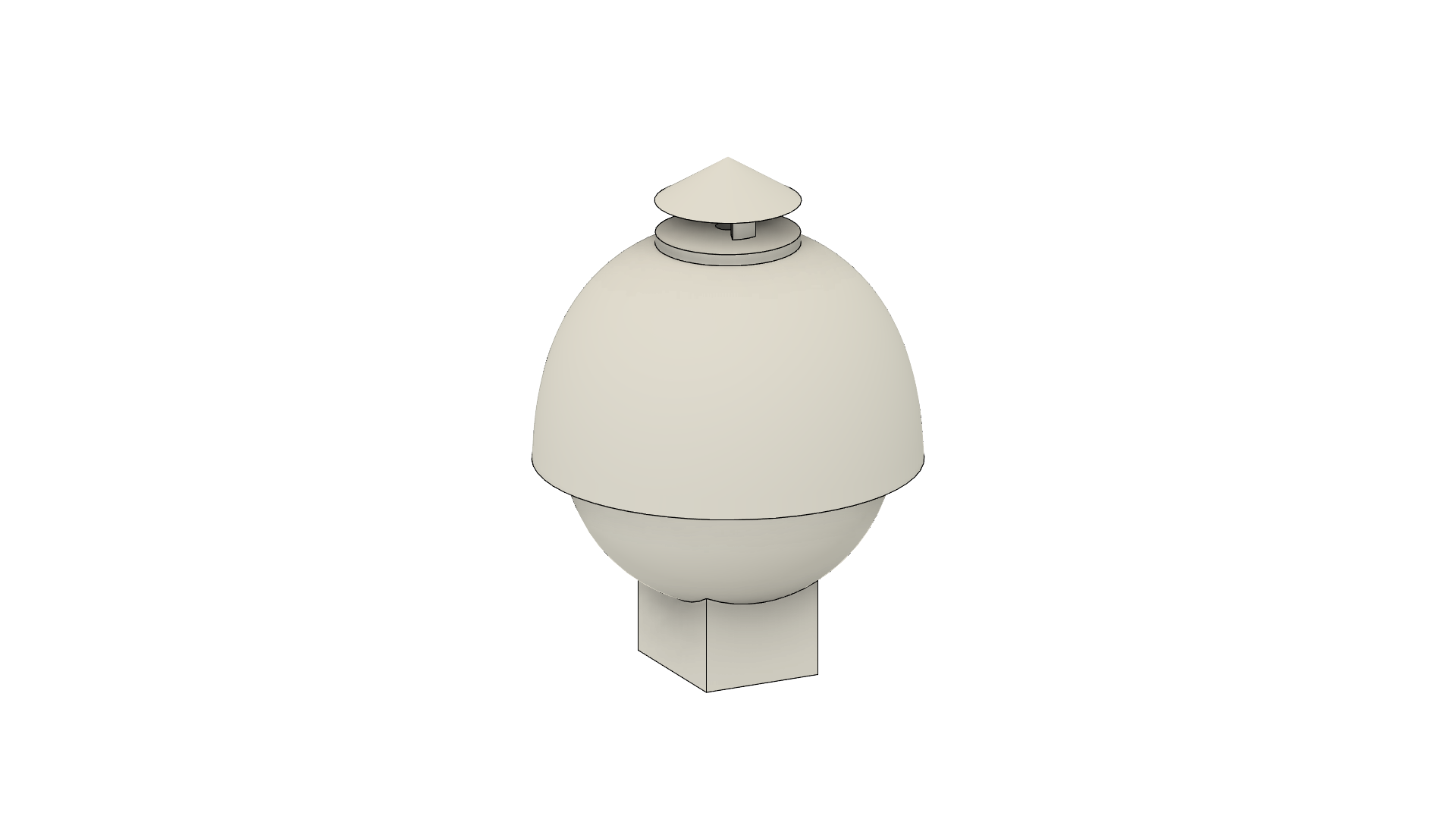
The solution we propose is the Bioacoustic Intelligent Recording Device or B.I.R.D. for short.
This solution will consist of a microcontroller that is running our custom machine-learning algorithm to detect bird calls from the Grey Heron (Ardea cinerea).
Once detecting this bird call, the B.I.R.D. sends a message over LTE, which is a form of telecommunications, to our local server containing readings from all of our chosen electronic sensors.
Since our primary goal is to tackle the problem of high setup and maintenance costs when researching avian species, it is important to note that any sensors can be hooked up to our microcontroller,
and we are just using these sensors as an example of what is capable using a system such as the one we have designed. The system we have designed is made with expandability in mind,
such that when needed we can produce multiple B.I.R.D. units and distribute them over a large area for large-scale sensing. Due to the artificial time constraint within our project, it is not within our limits to test the scalability of the B.I.R.D.
Despite the limitations of our project, we have been able to focus on one specific avian species to demonstrate the sensing capabilities of our B.I.R.D., the Grey Heron (Ardea cinerea).
We have chosen the Grey Heron (Ardea cinerea) as it is a common bird in Enschede, with a distinctive bird call. This species provides the perfect opportunity to demonstrate the use and effectiveness of the B.I.R.D.
in a real-world scenario. Additionally, the global population of the Grey Heron is slowly decreasing, making it all the more important to monitor the population, and protect and preserve its habitats.
This will contribute to the long-term survival of this species.
Our proposed solution is the Bioacoustic Intelligent Recording Device (B.I.R.D). It utilises a custom machine-learning algorithm to detect bird calls.
The B.I.R.D. continuously gathers audio data from its surroundings through the use of a microphone, which is subsequently analysed by a custom machine learning algorithm for the specific bird call of the Grey Heron.
When this call is detected, the B.I.R.D. activates various sensors and transmits the collected data from these sensors to a local server. This website serves to display all the collected data collected in this project.